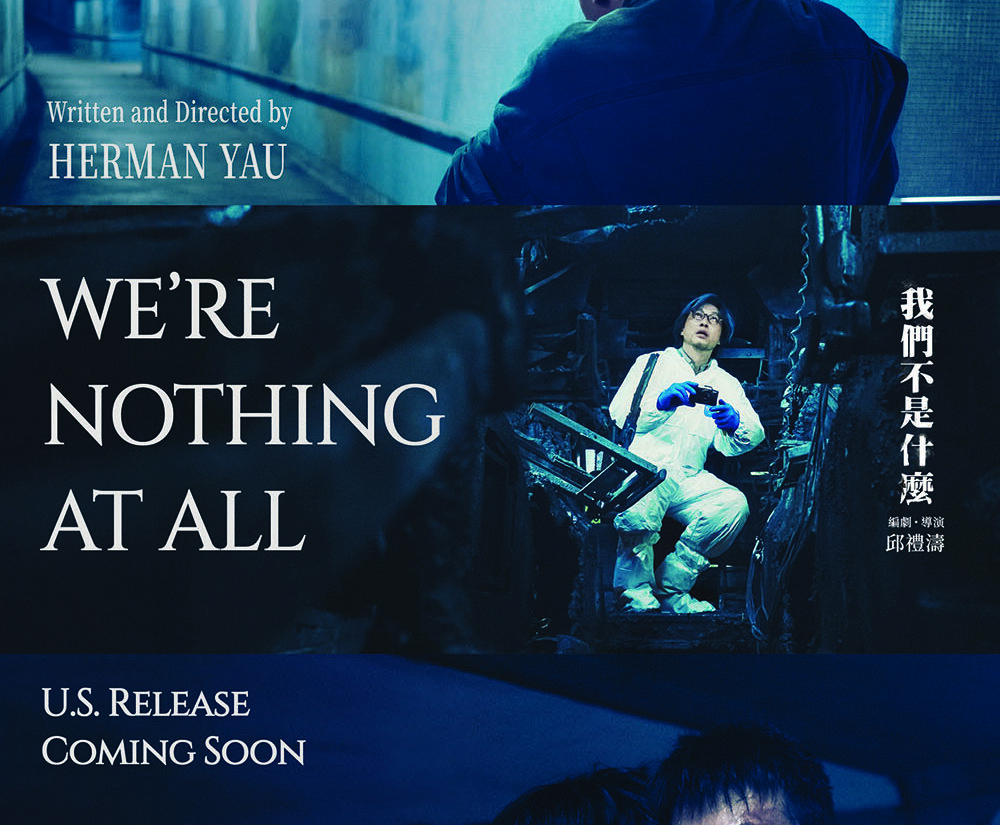
After more than four decades in cinema, Hong Kong filmmaker Herman Yau self-finances a provocative new film exploring poverty, discrimination, and the lives of marginalized individuals.
By Will Zang
A Tragedy on Valentine’s Day
On Valentine’s Day 2025, a double-decker bus suddenly explodes in the middle of a busy Hong Kong street, causing heavy casualties.
The police re-enlist retired forensic expert Lung Sir (Patrick Tam) to investigate. Evidence gradually points to two passengers: construction worker Fai (Anson Kong, also known as AK) and painter Ike (ANSONBEAN), who had been driven out by his family.
The two men are a gay couple who have long lived on the margins of society.
Through fragments of evidence and flashbacks, We’re Nothing at All traces how poverty, discrimination, family rejection, and systemic pressure pushed them to the edge.
Inspired by a real-life tragedy, the film explores the social conditions surrounding marginalized individuals and the consequences of social indifference.
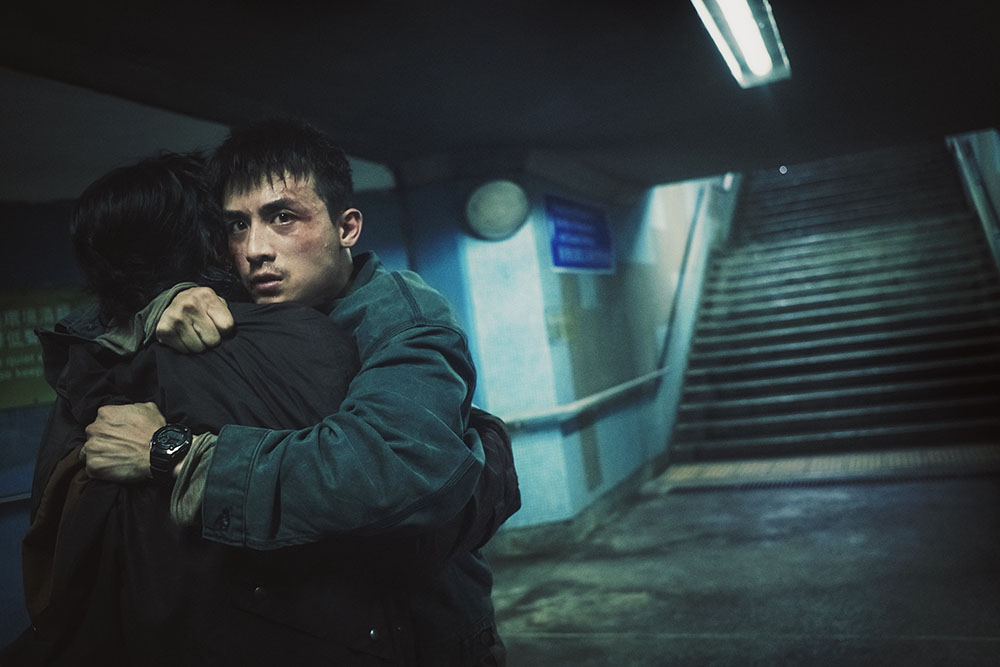
Herman Yau’s Return to Independent Cinema
Herman Yau (邱禮濤) is one of Hong Kong cinema’s most prolific, versatile, and fiercely independent filmmakers, widely celebrated for his ability to navigate between underground cult classics and mainstream blockbusters.
After studying film at Hong Kong Baptist College, Yau made his directorial debut with No Regret (1987) and established his reputation in the 1990s with Category III thrillers such as The Untold Story (1993) and Ebola Syndrome (1996).
Over a career spanning four decades, he has directed numerous large-scale mainland China–Hong Kong co-productions, including the Shock Wave series, Crisis Negotiators, and Customs Frontline.
His signature style combines extreme sensory impact, the rapid pacing of commercial filmmaking, and deliberately excessive scenes, dialogue, and plotting to express his views regarding contemporary life and social issues.
We’re Nothing at All marks the first film in Yau’s 40-plus-year career that he has written, directed, and produced entirely with his own money.
The director invested approximately HK$8 million from his personal savings, fulfilling a promise he made when he was young:
“If I ever have the money, I’ll finance my own film.”
Why Self-Finance the Film?
Having spent recent years making large-scale mainland China–Hong Kong co-productions, Yau wanted to make what he calls a “pure Hong Kong film”—one that “could not be released in mainland China.”
He wanted to explore subject matter and levels of intensity unconstrained by the co-production framework, without having to pitch a marketable hook or answer to investors.
In 2024, Yau felt that the time was right. The screenplay had also taken shape, so he used his savings to begin production immediately.
Yau found the experience completely liberating, but also highly stressful.
He estimated that the film would need to gross approximately HK$24 million at the box office to break even, although he never expected to recover his investment.
His sole purpose was to express what he genuinely wanted to say.
The experience allowed him to rediscover his original passion and the fiery spirit of his early work, while deepening his commitment to telling local stories.
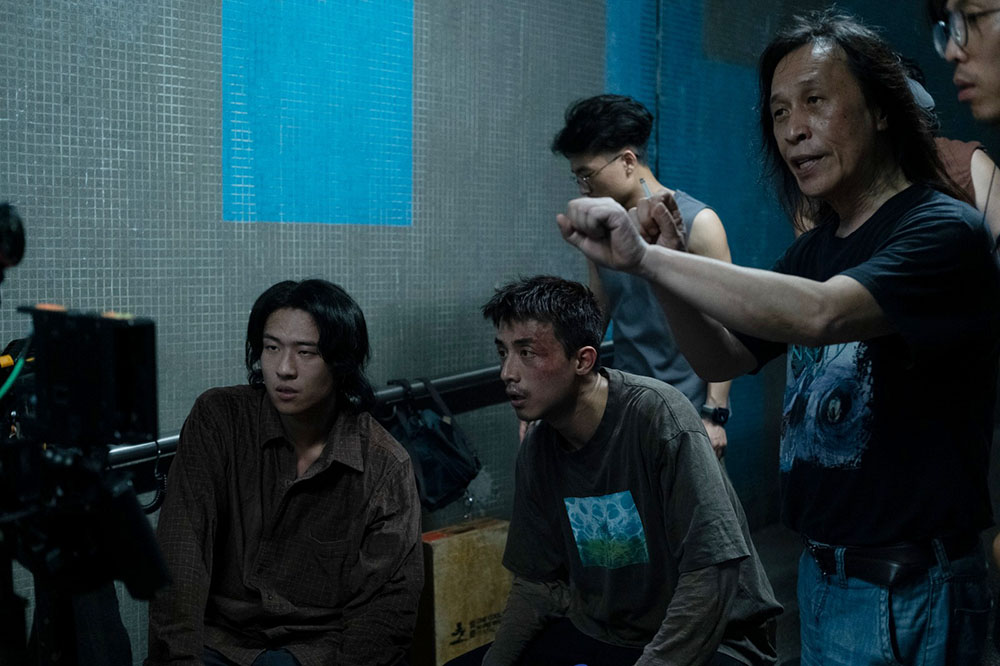
A Story of Marginalization and Social Indifference
The film was inspired by a real-life case that Andy Lau sent Yau while they were preparing Shock Wave.
It concerned the 1998 Valentine’s Day bus bombing in Wuhan, involving two gay lovers who ended their lives together in an extreme act. Yau relocated the incident to contemporary Hong Kong.
He does not regard the film as either a boys’ love story or a true-crime thriller.
Instead, through the tragedy of marginalized individuals, it addresses poverty, workplace exploitation, familial rejection, homophobic discrimination, and social indifference.
The film incorporates contemporary social problems in Hong Kong, including subdivided flats, unpaid wages, vacant market stalls, police dispersing street performers, and familial rejection.
Using the structure of a criminal investigation, it gradually uncovers the tragic paths of marginalized individuals while seeking to capture the emotions of present-day Hong Kong.
Yau seeks to convey that society is not as open-minded as people might imagine, as well as the powerlessness experienced by marginalized individuals who are treated as though they are “nothing at all.”
The film also invokes the idea that when an avalanche occurs, no snowflake is innocent—a reflection on collective responsibility.
Cinema cannot provide definitive answers; Yau merely hopes to provoke audiences into thinking.
Casting Against Expectations
Casting We’re Nothing at All presented considerable challenges.
Anson Kong (AK) was the first cast member confirmed. Although his management company initially worried that the film’s content might affect his idol image, AK insisted on accepting the role.
Yau’s preferred choices for several other roles repeatedly turned him down.
Possible reasons included the film’s gay subject matter, its lack of access to the mainland Chinese market, and its Category III content—including sex scenes, smoking, profanity, and graphic violence.
ANSONBEAN was cast later in the process.
At the time, he was struggling emotionally and had temporarily stepped away from the entertainment industry.
After several conversations, Yau encouraged him by saying:
“The best way to forget your pain is to work.”
ANSONBEAN was moved to tears after reading the screenplay and felt a deep connection with it. He accepted the role and lost a significant amount of weight for the part.
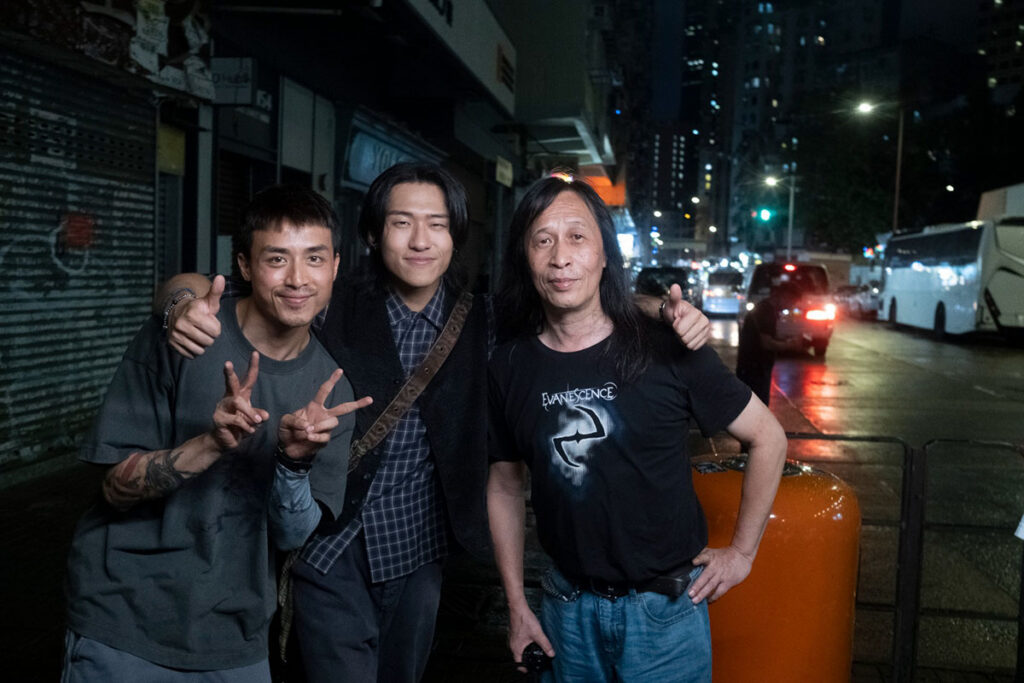
The final cast includes Patrick Tam as former forensic expert Sir Lung, AK as Fai, and ANSONBEAN as Ike, alongside Chu Pak-him, Rachel Leung, and Amanda Lee.
Yau praised the two younger actors for shedding their idol personas, placing their trust in him, and delivering breakthrough performances.
A Personal Return to Creative Freedom
For Yau, We’re Nothing at All represents a return to the independent spirit that defined his early filmmaking career.
After decades of working across commercial productions and provocative genre cinema, the project offered him the opportunity to tell a distinctly local story without the constraints of investors or market expectations.
Reflecting on the experience, Yau stated:
“When I was young, I once said that if I ever had money, I would use it to make films. Many years later, We’re Nothing At All is, in a way, the fulfillment of that promise I made to myself. I didn’t let it become a lie—the world already has far too many lies.”
With its forthcoming U.S. release through Blacklight Global Entertainment, We’re Nothing at All brings Yau’s exploration of marginalization, social responsibility, and contemporary Hong Kong society to international audiences.
Film Information
WE’RE NOTHING AT ALL (我們不是什麼)
Director: Herman Yau
Year: 2026
Country: Hong Kong
Language: Cantonese with English subtitles
Runtime: 128 minutes
Cast: Patrick Tam, Anson Kong (AK), ANSONBEAN, Chu Pak-him, Rachel Leung, Amanda Lee
U.S. Distributor: Blacklight Global Entertainment
Public Relations: Blade Vista Public Relations
Based on official press materials provided by Blade Vista Public Relations