Thailand Biennale Turns to an Artist-Run Practice for Its Rayong Edition
- Ethan Hayes
- September 27, 2026
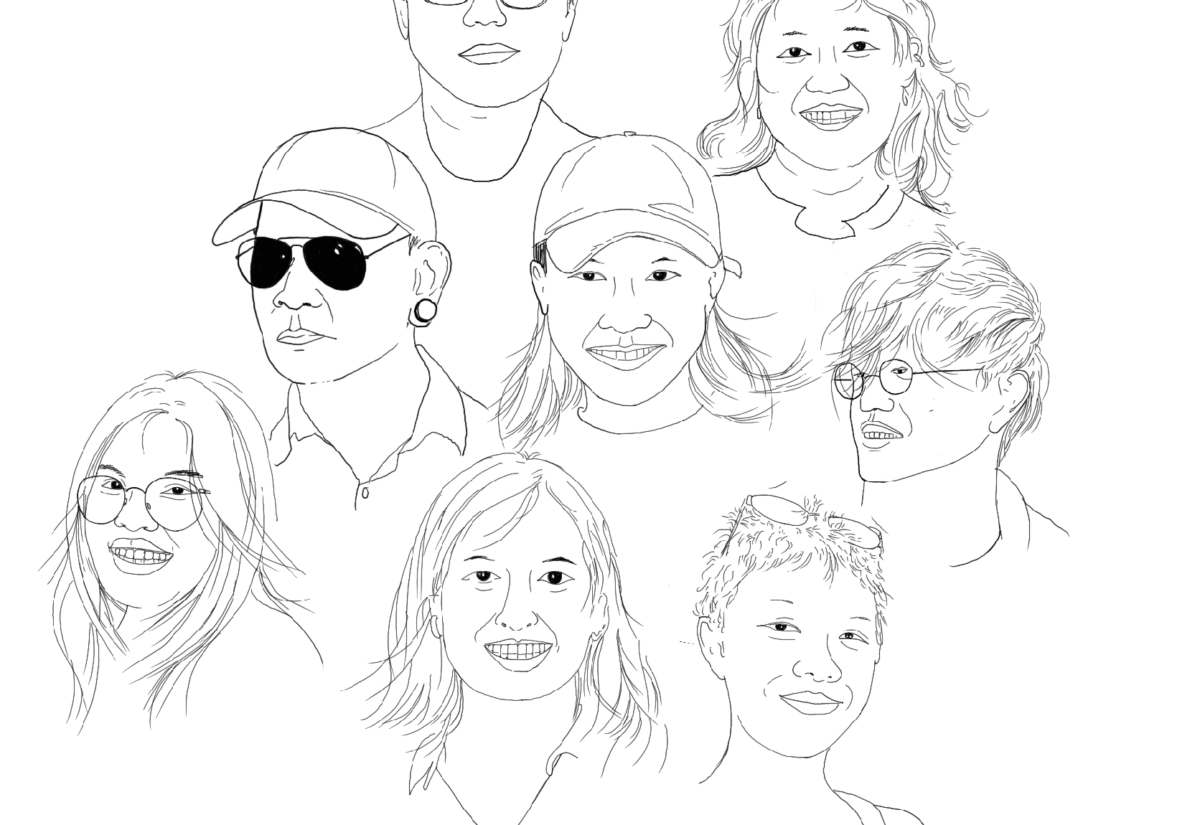
Thailand’s Ministry of Culture has named the artist duo jiradej-pornpilai meemalai: BAAN NOORG as artistic directors of Thailand Biennale, Rayong 2027. The fifth edition is scheduled to open in Rayong in December 2027, and the announcement frames its curatorial direction around human relationships and interconnection in local and international contexts. The selection places an artist-run practice, rather than a conventional museum-led curatorial team, at the center of one of Thailand’s principal recurring contemporary-art platforms.
BAAN NOORG is the collaborative practice of Jiradej and Pornpilai Meemalai. Its own description presents the initiative as a nonprofit, artist-run organization concerned with community development and support for artistic practice. That vocabulary is important in the context of the Thailand Biennale, which has been organized by the Office of Contemporary Art and Culture under the Ministry of Culture and has moved between host provinces since its founding. Each edition must do more than assemble an international exhibition: it has to work with a particular place, its infrastructures, and the differing expectations placed on art by residents, visitors, officials, and artists.
Rayong brings its own set of conditions. The eastern province is known internationally for industry and coastal tourism, but it also contains agricultural communities, fisheries, forests, and a dense set of local histories. Announcing artistic directors more than a year ahead creates time for research and for relationships that cannot be produced at the speed of an exhibition install. The emphasis on connection suggests that the biennale’s eventual form may be shaped by exchanges across those social and geographic registers rather than only by works delivered to a series of neutral venues.
The choice also continues a pattern in the biennale’s structure. Thailand Biennale is a state-supported event, yet its rotating-province model has repeatedly asked artists and curators to work beyond Bangkok’s established art circuits. Earlier editions have been staged in Krabi, Korat, Chiang Rai, and Phuket. In each case, the host location has become part of the curatorial problem: landscape, tourism, environmental pressure, local knowledge, and public space are not background conditions but possible material for artistic inquiry. A Rayong edition will inherit that ambition while facing the risk that place-based language can be used merely as a promotional device.
An artist-run direction may help test that distinction. BAAN NOORG’s work has been rooted in long-term activity rather than a single spectacular event. Such practices often build through workshops, residencies, conversations, and small-scale production as much as through exhibitions. They can make room for forms of participation that are not easily counted as attendance. At the same time, the directors will have to translate that approach to the scale and public visibility of a national biennale, where international attention and local accountability can pull in different directions.
The announcement provides only an early outline, and it would be premature to assign a finished politics or exhibition format to the 2027 edition. No artist list, venue list, or detailed curatorial statement has yet been released. What is confirmed is the appointment, the proposed emphasis on relationships, and the host city. This limited information is itself useful: it makes clear what remains open and leaves room to follow how research becomes a program.
For artists in Thailand and across Southeast Asia, biennales can be gateways to international networks, but they can also reproduce a familiar pattern in which a region is briefly visible before attention shifts elsewhere. A director team embedded in an artist-run, community-oriented practice may offer another rhythm. The challenge will be to make international exchange reciprocal, so that Rayong is neither a backdrop nor a resource to be extracted for cultural tourism.
The 2027 edition is still in preparation, but the appointment establishes its first meaningful proposition. It asks whether a biennale can treat relationships not as a soft theme but as a working method: between artists and residents, local knowledge and transnational debate, public institutions and small initiatives, coastal ecologies and industrial development. The answer will depend on the work that follows the announcement. For now, BAAN NOORG’s selection signals that the process of building those connections is part of the exhibition’s subject.