Tate Modern
Connecting the World Through Modern and Contemporary Art.
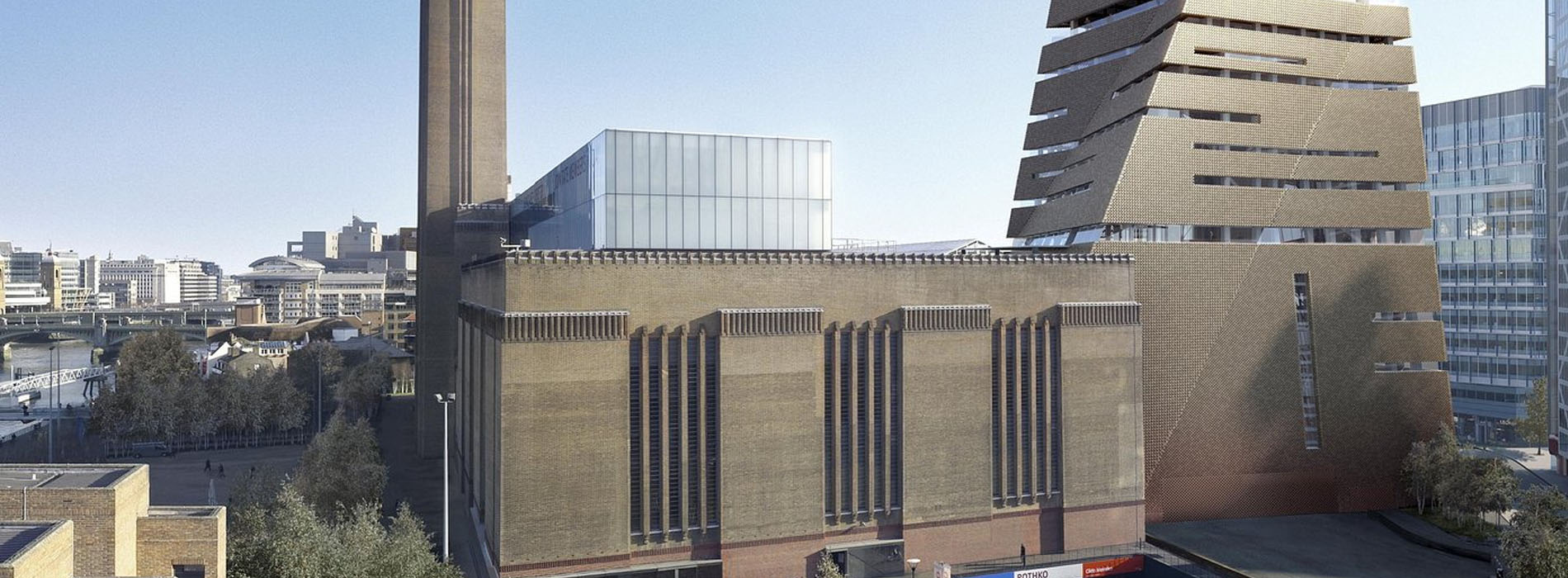
Tate Modern is one of the world’s leading museums of modern and contemporary art, located on the south bank of the River Thames in London. Opened in May 2000, the museum occupies the former Bankside Power Station, a landmark industrial building transformed by Swiss architects Herzog & de Meuron.
As part of the Tate network, which also includes Tate Britain, Tate Liverpool, and Tate St Ives, Tate Modern presents an extensive international collection of modern and contemporary art spanning the early twentieth century to the present.
The museum’s collection encompasses painting, sculpture, photography, film, performance, and installation, featuring major artistic movements and influential artists from around the world. Its exhibitions explore diverse cultural perspectives, challenging conventional narratives of modern art and highlighting artistic developments beyond Europe and North America.
One of the museum’s most distinctive architectural features is the Turbine Hall, a monumental industrial space that hosts ambitious large-scale installations and artist commissions.
Through its international exhibitions, educational initiatives, and commitment to artistic experimentation, Tate Modern continues to shape contemporary art discourse while engaging millions of visitors from around the world.
History
Tate Modern's origins can be traced to the expansion of the Tate Gallery's modern art collection during the twentieth century. As the collection grew, the need for a dedicated museum of international modern and contemporary art became increasingly apparent.
In 1994, the former Bankside Power Station, designed by British architect Sir Giles Gilbert Scott, was selected as the site for the new museum. Swiss architectural firm Herzog & de Meuron won the international competition to transform the industrial structure into a major cultural institution.
Tate Modern officially opened to the public on May 12, 2000, marking a significant milestone in London's cultural development. Its innovative architecture and international approach to modern art quickly established the museum as one of the city's most visited cultural destinations.
In 2016, Tate Modern underwent a major expansion with the opening of the Switch House, subsequently renamed the Blavatnik Building. The ten-storey extension provided additional galleries, performance spaces, and public facilities, reflecting the museum's growing emphasis on installation, performance, film, and other contemporary artistic practices.
Today, Tate Modern remains one of the world's most influential institutions for modern and contemporary art, connecting audiences with artistic practices from diverse cultural and geographic backgrounds.
Mission
Tate Modern shares Tate's broader institutional commitment to increasing public understanding and enjoyment of British, modern, and contemporary art.
Through its international collections, exhibitions, research, and educational programs, Tate Modern seeks to make art accessible to diverse audiences, encourage critical dialogue, and explore the relationship between artistic expression and contemporary society.